August 2020
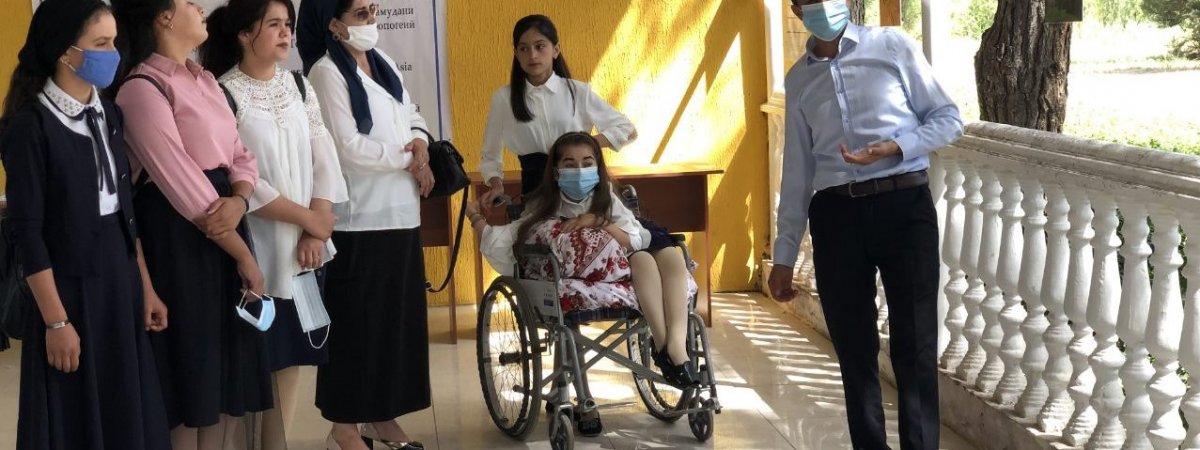
Flora Conservation Photo Exhibition
Project results shared with government, partners and local communities through a three-day photo exhibition at Kulob Botanic Garden — covered by three national TV channels.
Public Organisation · Est. 2008
Ganji Tabiat works with rural communities in the Khatlon region to protect rare and endangered plant species — through domestication, research, awareness and hands-on conservation on the ground.
Who we are
Public Organisation "Ganji Tabiat" is a non-governmental organisation that believes protecting biodiversity is crucial to maintaining balance in our ecosystems. It was established in February 2008 to help protect and conserve the wild flora of Tajikistan.
We focus our efforts on the local biodiversity of Tajikistan, including rare and endangered plant species — because losing them has consequences for wildlife and people alike that we believe are entirely avoidable.
"Our mission is to protect and conserve the native biodiversity of Tajikistan."
Our objectives
Five commitments guide every project we run, from village household plots to national policy conversations.
Improving living standards through ecological, legal, social, economic, cultural and medical knowledge-sharing.
Contributing to the development of scientific research into Tajikistan's wild plant species.
Design and landscape planning that prioritises nature and biodiversity, and prevents atmospheric pollution.
Maintaining and restoring ecologically important, historic and cultural heritage sites.
Advising local government projects on resolving ecological and biological problems.
Thematic areas
PO "Ganji Tabiat" runs its activities across four connected thematic areas — from botanic-garden science to the schoolyard.
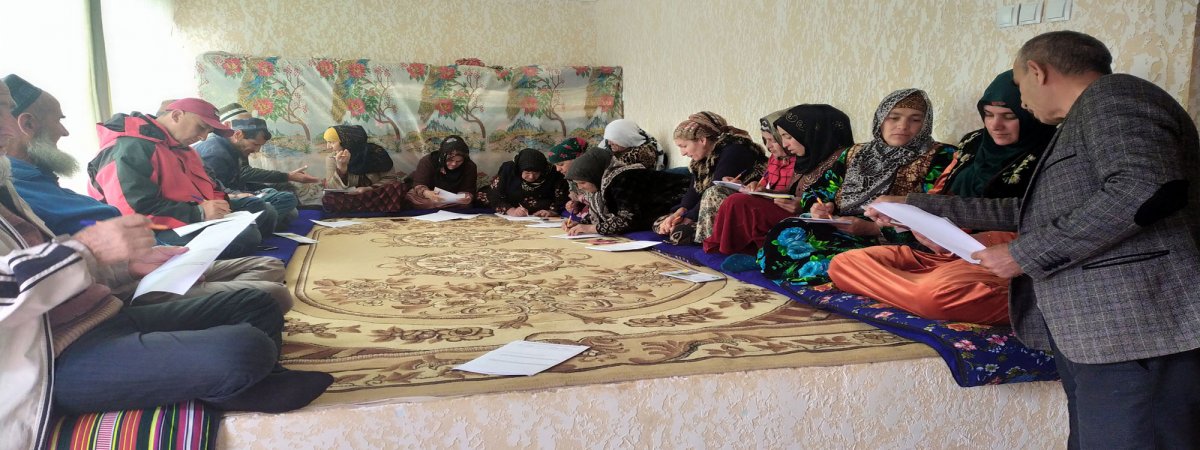
📍 Dashtijum & Childukhtaron Jamoats, Khatlon Region
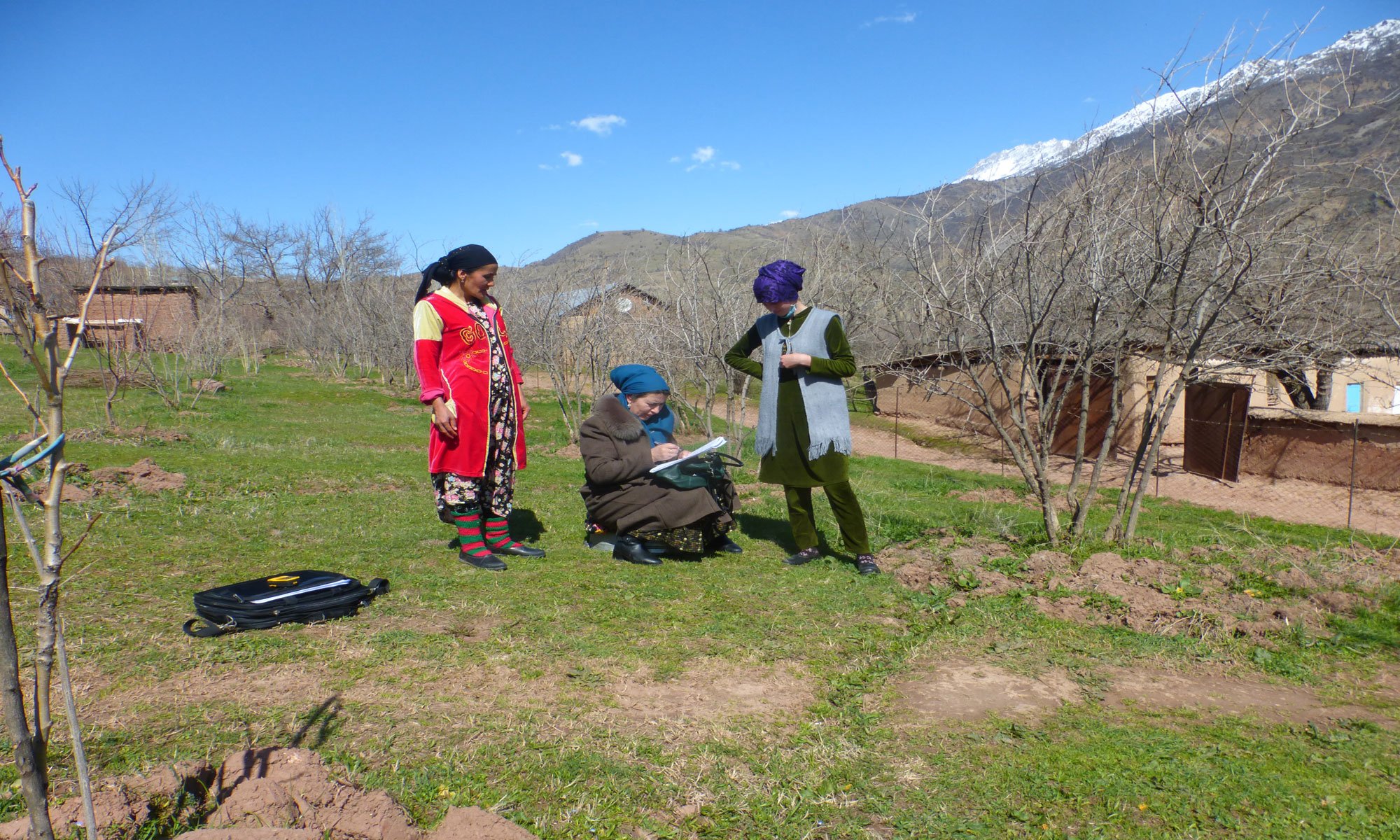
Between 2019 and 2020, our team collected seed from six wild species under conservation pressure, propagated them at Kulob Botanic Garden, and worked with farming households across Sh. Shohin and Muminobod districts to sow them directly in home plots — giving over 50 farmers, nearly half of them women, a stake in protecting the wild populations these plants came from.
Species in the programme
Field notes
Updates from the pilot plots, the botanic garden, and the villages where our work happens.
Project results shared with government, partners and local communities through a three-day photo exhibition at Kulob Botanic Garden — covered by three national TV channels.
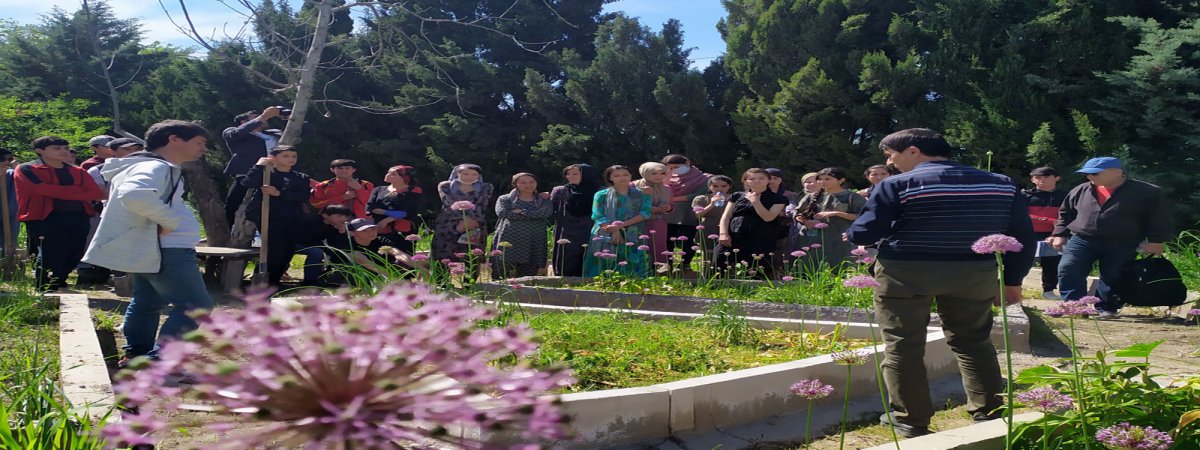
Marking Earth Day with Kulob Botanic Garden, schoolchildren and university biology students toured the demonstration plots of rare and endangered wild plants.
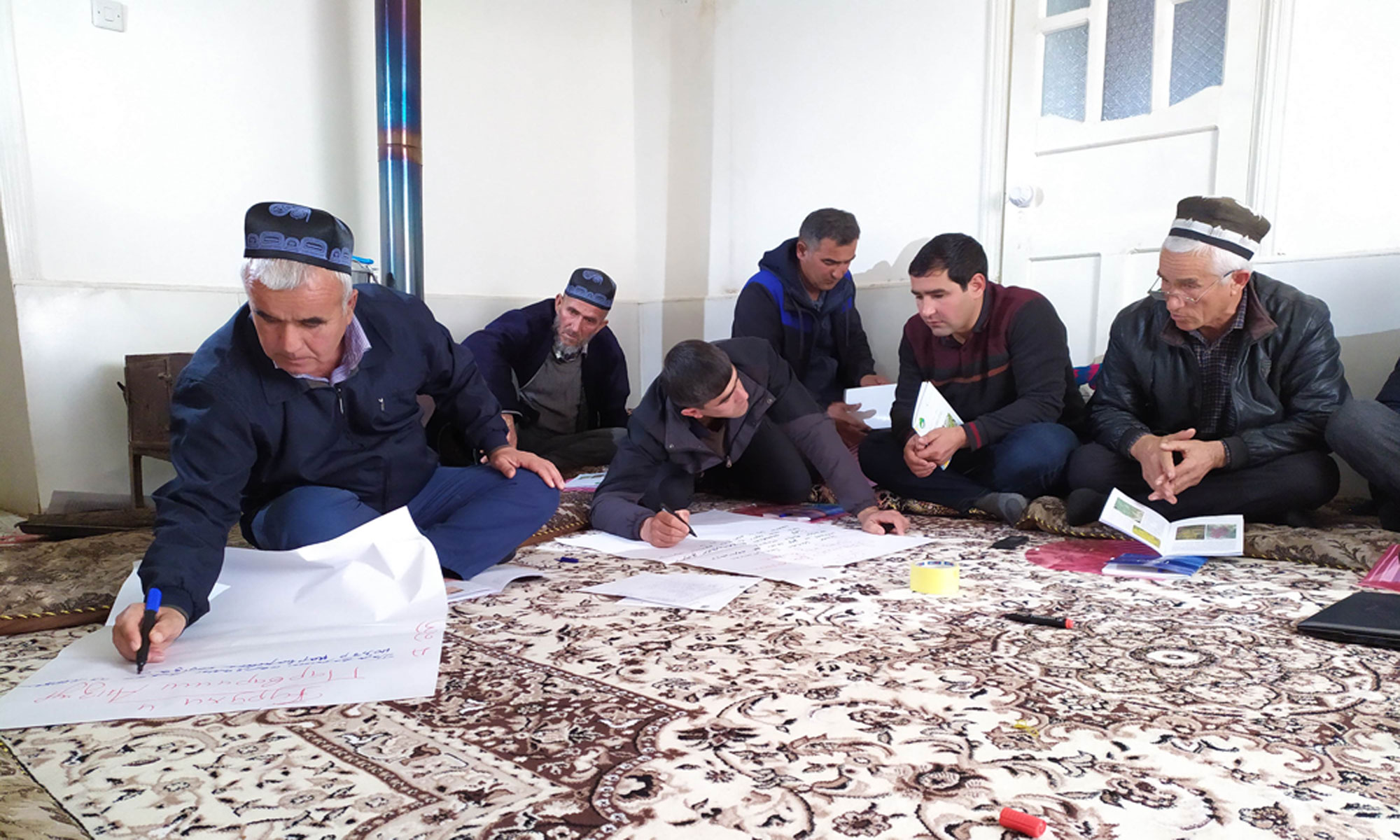
A Tajik-language brochure on edible and medicinal wild plants was written and distributed to training participants and local households.
51 farmers across Dashtijum and Muminobod districts — 20 of them women — learned the economic, nutritional and medicinal value of wild plants, and how to grow them at home.
Beneficiary households in Dashtijum and Childukhtaron Jamoats sowed six selected wild species directly in their own plots for the first time.
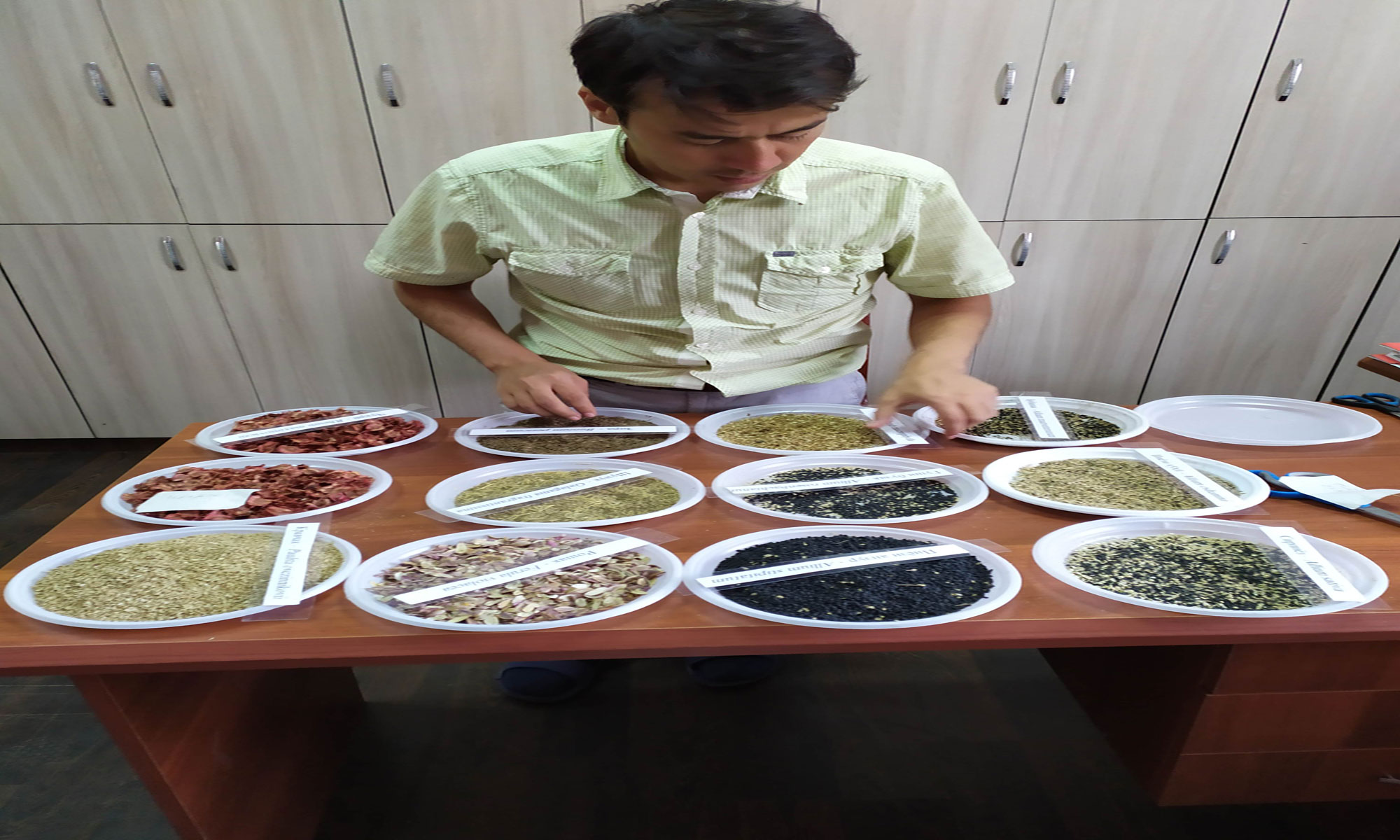
Seed collection begins: six wild species gathered and sown at Kulob Botanic Garden to study how they grow under cultivated conditions.
Our partners
Our work has been made possible thanks to the trust and support of the following organisations.





Get involved
Whether you're a researcher, a funder, or simply someone who cares about the mountains of Khatlon — there's a way to help Ganji Tabiat keep this work going.
Contact
Reach our team directly, or send a message and we'll get back to you.